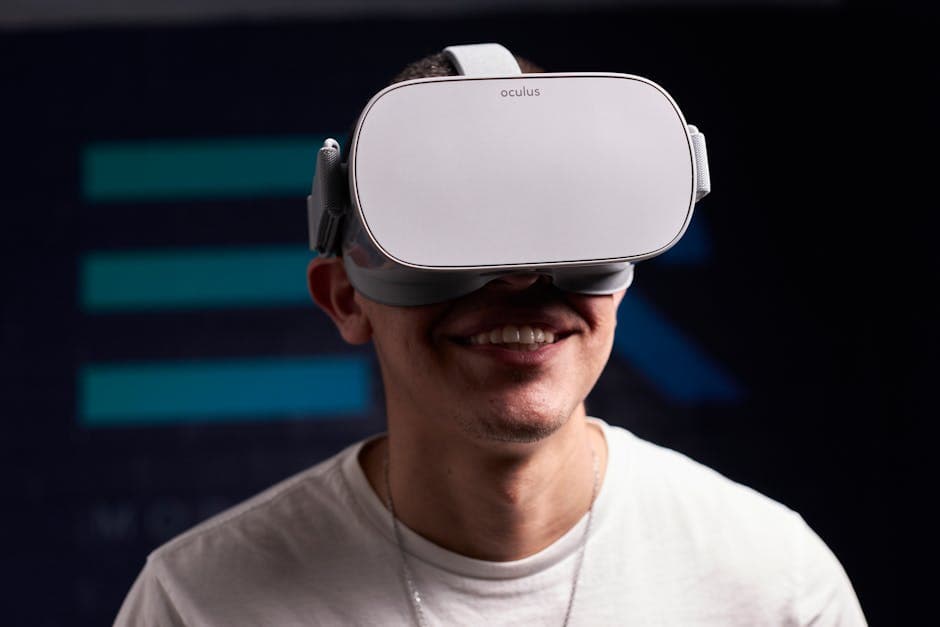
7 Interactive Activations Reshaping Event Marketing in 2026
How augmented reality experiences are turning passive attendees into engaged participants with measurable ROI
Discover the interactive activations driving 51% of brands to increase experiential marketing spend. Learn which AR-powered event marketing strategies deliver measurable engagement and justify sponsor investments.
TL;DR
Interactive activations dominate 2026 - 51% of companies are increasing experiential marketing investment while overall B2B marketing spend declines, signaling clear market preference for engagement-driven sponsorships.
AR experiences multiply sponsor value - Augmented reality transforms passive viewing into active participation while generating the first-party data sponsors need to prove ROI and nurture leads post-event.
Start with 1-2 activations, not seven - Excellence in execution beats breadth of tactics. Choose approaches aligned with sponsor objectives (leads, awareness, education) and allocate 15-20% of budget to post-event follow-up.
Design for shareability and data capture - The best activations create social currency that attendees want to share while generating measurable engagement that connects to business outcomes.
Begin promotion 6-8 weeks early - Pre-event awareness drives registration and helps attendees plan their experience around sponsor activations, maximizing engagement when doors open.
The Sponsorship Activation Landscape Has Fundamentally Shifted
Static banners and logo placements no longer justify sponsorship investments. In 2026, brands demand measurable engagement, and event organizers face pressure to deliver activations that generate real business outcomes.
The numbers tell the story: 51% of companies plan to increase their experiential marketing investment through 2026, while event budgets are growing at +10.9% against a -3.1% decline in overall B2B marketing spend. This divergence signals a clear market verdict: interactive activations deliver what traditional marketing channels cannot.
Augmented reality experiences have emerged as the connective tissue between physical presence and digital measurement. They transform passive attendees into active participants while generating the data sponsors need to prove ROI.
What This Guide Delivers
This listicle targets event organizers designing sponsor packages and brand marketers evaluating activation investments for 2026. We exclude basic tactics like branded photo booths and standard swag giveaways. Those approaches still function, but they represent table stakes rather than competitive advantages.
Instead, we focus on event marketing strategies that combine physical engagement with digital measurement. Each activation idea balances creative impact with practical implementation, recognizing that most teams operate with constrained budgets and timelines.
How We Selected These Activations
Each activation meets three criteria: proven engagement lift in 2024-2025 deployments, scalability across event sizes, and clear data capture methods that connect to sponsor business objectives. We prioritized approaches that 64% of attendees actually prefer: immersive, hands-on experiences over purely technological elements.
1. AR-Powered Product Discovery Zones
Why It Matters
Traditional product demos create bottlenecks. One representative serves one prospect at a time, limiting throughput and creating frustrating wait times. Augmented reality experiences multiply demonstration capacity while capturing individual interaction data.
What It Looks Like Today
Sponsors deploy tablet stations or encourage attendees to use their own devices to visualize products in context. A furniture brand at a design conference lets architects see pieces rendered in their actual project photos. A software company overlays interface demonstrations onto attendees' existing workflows.
How to Apply It
Start with one flagship product rather than your entire catalog. Design the AR experience to answer the top three questions prospects typically ask during demos. Integrate lead capture at the experience entry point, not as an interruption mid-flow. Budget 8-12 weeks for content development and testing.
2. Gamified Scavenger Hunts with Multi-Sponsor Integration
Why It Matters
Single-sponsor activations compete for attention. Multi-sponsor scavenger hunts transform competition into collaboration, driving foot traffic across the entire event floor while giving each brand guaranteed touchpoints.
What It Looks Like Today
Attendees scan QR codes or AR markers at multiple sponsor locations, completing challenges that unlock prizes or exclusive content. The gamification layer adds urgency and social sharing incentives. Real-time leaderboards displayed throughout the venue sustain engagement across multi-day events.
How to Apply It
Limit participating sponsors to 5-8 to maintain completion rates. Design challenges that require genuine interaction with sponsor offerings, not just physical presence. Tier rewards to encourage full completion while still acknowledging partial participation. 47% of marketers already plan QR code integration, making this infrastructure increasingly familiar to attendees.
3. Live Data Visualization Walls
Why It Matters
Attendees trust what they can see measured. Sponsors who display real-time engagement metrics demonstrate confidence in their activation performance and create natural conversation starters.
What It Looks Like Today
Large displays show anonymized, aggregated data from the event: session attendance, activation participation rates, social mentions, and sentiment analysis. Sponsors overlay their brand presence within this data story, showing their contribution to the event experience.
How to Apply It
Partner with your event technology provider to establish data feeds before the event. Design visualizations that tell a story rather than just displaying numbers. Update displays at intervals that feel dynamic (every 5-10 minutes) without creating distraction. Use this activation to reinforce sponsor brand awareness through association with transparency and innovation.
4. Personalized AR Content Unlocks
Why It Matters
Generic content fails to convert. When attendees receive materials tailored to their role, industry, or expressed interests, engagement rates climb significantly. 85% of consumers are more likely to buy after participating in experiential marketing, and personalization amplifies this effect.
What It Looks Like Today
Attendees complete a brief profile during registration or at the activation entrance. AR experiences then adapt: a CFO sees ROI calculators and financial case studies, while a technical lead sees architecture diagrams and integration documentation. The same physical space delivers different value to different personas.
How to Apply It
Limit persona categories to 3-4 to manage content development costs. Design the profiling interaction to feel valuable rather than extractive by offering immediate utility. Connect personalization data to your CRM for post-event follow-up that references specific content consumed.
5. Hybrid Physical-Digital Competition Stages
Why It Matters
Remote attendees represent untapped sponsor value. Activations that bridge physical and virtual participation expand reach without proportionally increasing costs. Virtual events convert to qualified opportunities 33% more efficiently than other channels, suggesting hybrid approaches capture high-intent audiences.
What It Looks Like Today
Competitions run simultaneously in-venue and online. Physical attendees use AR interfaces while remote participants engage through web applications. Leaderboards merge both audiences, creating cross-pollination and extending event conversation beyond venue walls.
How to Apply It
Design competitions around sponsor products or industry challenges rather than generic games. Ensure parity between physical and digital experiences so neither audience feels disadvantaged. Schedule finals during high-traffic periods to maximize spectator engagement and social media integration.
6. AI-Guided Networking with Sponsor Matchmaking
Why It Matters
Attendees cite networking as a primary event motivation, yet most leave without making meaningful connections. Sponsors who facilitate valuable introductions earn goodwill and position themselves as industry connectors.
What It Looks Like Today
AI analyzes attendee profiles and expressed interests to suggest connections. Sponsor-branded meeting pods or designated networking zones host these introductions. The sponsor receives attribution for successful connections, building brand association with professional advancement.
How to Apply It
Integrate with event registration data to enable pre-event matching. Design physical spaces that encourage conversation (comfortable seating, moderate noise levels, refreshments). Track connection quality through brief post-meeting surveys to refine matching algorithms throughout the event.
7. Immersive Brand Story Environments
Why It Matters
Product features fade from memory. Emotional experiences persist. Sponsors who transport attendees into narrative environments create memorable experiences that sustain brand recall long after the event concludes.
What It Looks Like Today
Dedicated spaces combine physical set design with AR overlays to create immersive environments. A sustainability-focused brand might transport attendees to a future shaped by their technology. A healthcare company might visualize patient journeys. The global immersive marketing market reached USD 9.03 billion in 2025, reflecting growing investment in these approaches.
How to Apply It
Limit environment experiences to 3-5 minutes to maintain throughput. Design clear entry and exit flows to prevent congestion. Include a tangible takeaway (digital content, small physical item) that extends the experience beyond the event. Budget for trained guides who can answer questions and capture leads during natural conversation.
The Patterns That Connect These Activations
Three themes emerge across these interactive activations. First, every approach generates first-party data that sponsors can use for post-event nurturing. The era of sponsorship as pure awareness play has ended.
Second, successful activations create social currency. Attendees share experiences that make them look interesting, connected, or ahead of trends. Design for shareability, and your sponsor's reach multiplies organically.
Third, the best event marketing strategies blur the line between content and experience. Attendees do not distinguish between learning and engaging when both happen simultaneously. Sponsors who educate while entertaining capture attention that pure entertainment cannot sustain.
Where to Start and What to Skip
Do not attempt all seven activations simultaneously. Select 1-2 that align with your sponsor's primary objective (lead generation, brand awareness, product education) and execute them excellently rather than spreading resources thin.
For sponsors new to augmented reality experiences, start with AR-powered product discovery or personalized content unlocks. These approaches offer clear ROI measurement and manageable technical complexity. Save immersive environments and hybrid competitions for organizations with established experiential marketing capabilities and larger budgets.
Begin pre-event promotion 6-8 weeks before the event to build anticipation and drive registration. Allocate 15-20% of activation budget to post-event follow-up, where the real conversion happens.
Frequently Asked Questions
What are some innovative sponsorship activation ideas for 2026?
The most effective activations for 2026 combine physical engagement with digital measurement. AR-powered product discovery zones, gamified multi-sponsor scavenger hunts, and AI-guided networking represent the leading edge. These approaches generate measurable data while creating memorable experiences that attendees actively seek out rather than avoid.
Why is deep engagement important for sponsorships in 2026?
Sponsors increasingly demand proof of ROI beyond logo impressions. Deep engagement generates first-party data, creates qualified leads, and builds brand associations that persist after events conclude. With 85% of consumers more likely to buy after participating in experiential marketing, engagement depth directly correlates with business outcomes.
How can event organizers customize sponsorship packages to meet brand objectives?
Start by understanding whether sponsors prioritize lead generation, brand awareness, or product education. Then select activation formats that align: data-rich experiences for lead generation, shareable moments for awareness, and interactive demonstrations for education. Offer tiered packages that combine multiple touchpoints while maintaining clear measurement frameworks.
When should sponsors start promoting their activations before an event?
Begin pre-event promotion 6-8 weeks before the event opens. This timeline allows sufficient runway for building anticipation, driving registration, and enabling attendees to plan their event experience around sponsor activations. Use multi-channel approaches combining email, social media, and event app notifications.
Which technologies can enhance sponsorship activations at events?
Augmented reality leads current adoption, with 47% of marketers planning QR code integration and growing interest in AI tools. Real-time analytics platforms enable mid-event optimization. Mobile-first experiences reduce friction since attendees already carry capable devices. The key is selecting technology that serves engagement goals rather than deploying innovation for its own sake.
What are some examples of successful sponsorship activations from recent events?
Brands have deployed AR-enhanced scavenger hunts that drive foot traffic across entire event floors while generating thousands of qualified leads. VR product demos at trade shows create hands-on interactions that educate and entertain simultaneously. Real-time AI analytics enable sponsors to pivot activation elements mid-event based on engagement patterns, maximizing ROI throughout the event duration.